


Can You Have a Log Burner Without a Chimney?

 Plenty of people still think you need a chimney to have a real fire, but that’s not true anymore. Modern stove technology means almost any home can enjoy the glow and warmth of a log burner, even if there’s no traditional fireplace. If you live in a newer property or you’ve extended your home and left the chimney behind, there’s a straightforward solution.
How Log Burners Work Without a Chimney
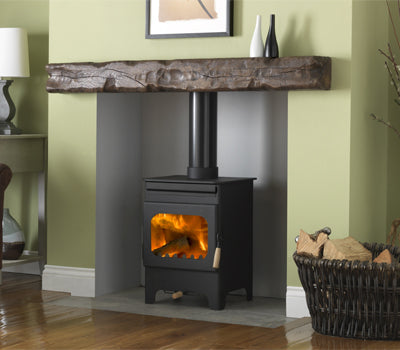
A standard chimney carries smoke and gases up through a brick flue that’s built into the house. When a property doesn’t have one, installers use what’s called a twin wall flue system. It does the same job as a chimney but in a more flexible way.
The flue is made from two layers of stainless steel with insulation packed between them. The inner pipe channels the hot gases out, while the outer layer stays cooler to protect your surroundings. It creates the right draw for the stove and safely moves the smoke outside.
Depending on the shape of your home, the flue can either pass up through the roof or run up an outside wall. Both options work beautifully when they’re planned properly by a qualified installer.
Different Flue Routes
 Because the twin wall system is modular, it can be designed to suit almost any layout.
Internal route:
The pipe travels vertically through ceilings and exits through the roof. It’s often the most efficient setup, as the heat from the flue helps warm the rooms it passes through.
External route:
The flue leaves through an exterior wall and runs up the outside of the house. This is ideal for single-storey spaces like garden rooms or kitchen extensions. It’s quick to fit and can be boxed in or left exposed for a clean, modern finish.
The key is making sure the flue reaches the correct height above your roofline, which keeps the airflow right and ensures the stove burns cleanly.
Are Log Burners Suitable for Modern Homes?
Absolutely. Twin wall systems were designed for exactly this purpose. They make it possible to install a wood burner safely in properties that were never built with chimneys.
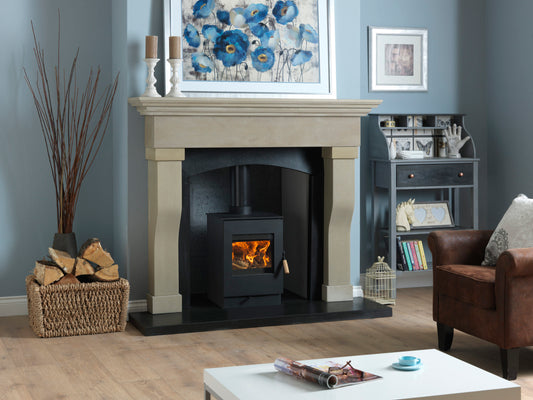
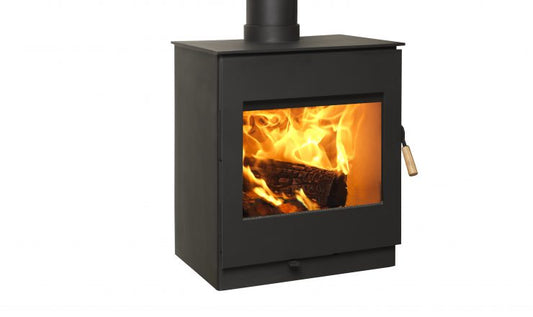
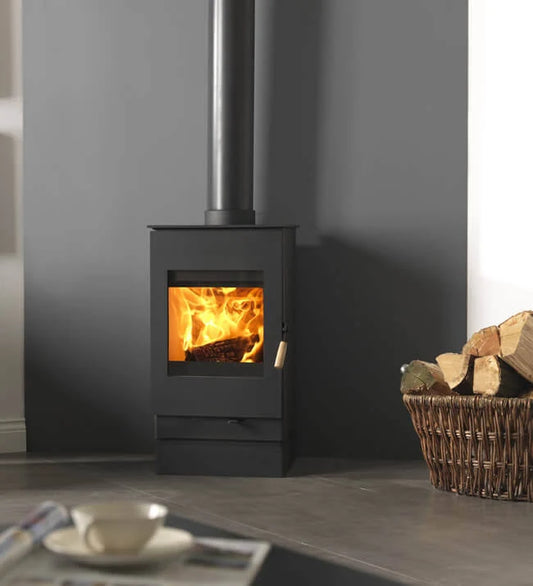
Your installer will map the flue route, check for safe clearances, and make sure your stove has enough air for combustion. Modern stoves also come in every style imaginable, from classic cast-iron designs to minimal, contemporary shapes. Many people now add them to open-plan living areas or extensions, turning the flue itself into a stylish feature.
Meeting Regulations and Staying Safe
 Any stove installation must comply with UK Building Regulations (Approved Document J), whether or not you have a chimney. The work should always be carried out by a HETAS-registered installer. That means everything from the hearth and ventilation to the flue height and sealing is handled correctly, and you’ll receive a certificate for your records.
Working with a professional also protects your warranty and home insurance, and it means you can relax knowing your new stove is safe and compliant.
Efficiency and Day-to-Day Use
A twin wall flue won’t make your stove any less efficient. The insulation keeps the gases hot enough to maintain good airflow, and because the flue layout can be optimised for your home, it can actually make lighting and running your stove easier.
The real efficiency factor is choosing the right stove size for your room. A professional installer can calculate the right output in kilowatts based on your space and insulation levels, so you get consistent, comfortable heat without wasting fuel.
Keeping Everything in Good Condition
 Once fitted, your stove and flue are easy to look after. Keep these basics in mind:
- Have the flue and appliance inspected and swept once a year.
- Burn only seasoned or Ready to Burn wood to reduce soot.
- Fit a carbon monoxide alarm in the same room.
- Wipe down the stove glass and interior regularly.
A stainless-steel twin wall flue will last for many years with just routine maintenance.
What It Costs to Install
 The total cost depends on your home’s layout, the flue route, and the stove itself. An external system is often the simplest and most affordable, while an internal route through multiple floors involves more materials and labour.
Most homeowners spend somewhere between £3,000 and £4,500 for a full installation. It’s an investment, but one that brings lasting warmth, lower heating costs, and a beautiful focal point to your home.
The Bottom Line
You don’t need a chimney to enjoy a real fire. A twin wall flue system makes it possible to add a log burner safely to almost any property. With expert planning and installation, you can create a cosy, efficient feature that looks just as good in a modern extension as it does in a country cottage.
If you’d like to know what’s possible in your home, Camden Fires can help. Our team can advise on the right stove, design the flue route, and take care of the full installation. Visit www.camdenfires.co.uk to request your free quote today.